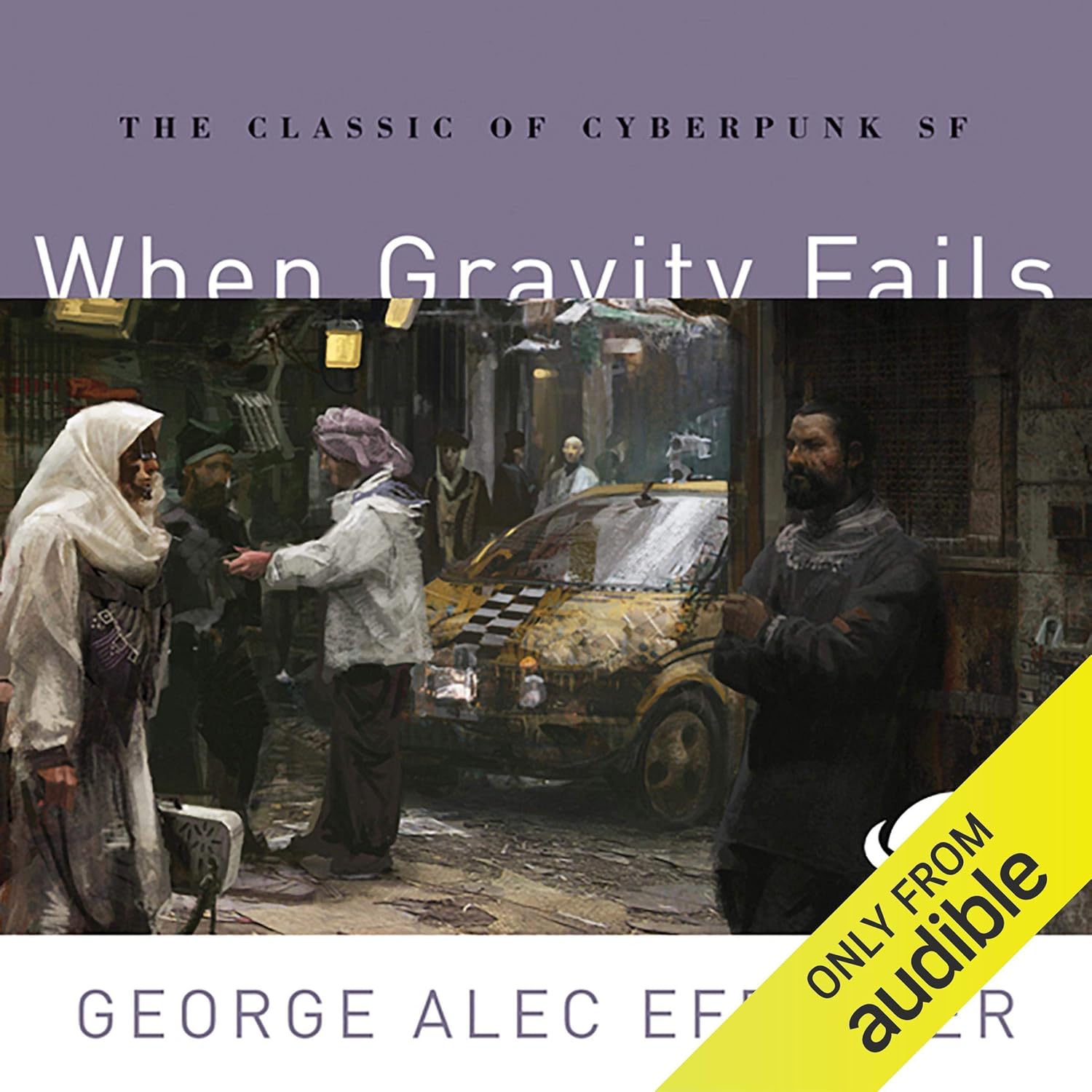
Marcus Thorne’s “When the Light Fails” emerges as a compelling tapestry woven with historical intrigue set in post-war London. Thorne, a noteworthy presence in contemporary mystery fiction, crafts a narrative that delves deep into the human psyche during times of darkness. As an exemplar of historical mystery, the novel has captured the attention of history enthusiasts and casual readers alike, proving its mettle as both a bestseller and a potential modern classic. This comprehensive critique examines its place in today’s literary landscape, the substance of its narrative, and its resonance within the industry.

Literary Context & Ecosystem

Marcus Thorne’s novel is emblematic of the current trends in global publishing where historical contexts are used to explore timeless human truths. In line with the evolution towards ‘Healing Fiction’ and contemporary classics, “When the Light Fails” capitalizes on the reader’s fascination with the intricacies of history and the elucidation of moral truths. This trend parallels the surge in popularity for novels that challenge traditional genre boundaries, such as transmedia storytelling, expanding the mystery genre beyond conventional limits. As evidenced by Goodreads and Amazon Books data, historical mysteries are exhibiting a marked rise in success, reflected in the novel’s impressive sales figures. The work’s bestseller status, with estimated monthly sales around 31,000, speaks to its broad appeal in the digital attention economy where competition is fierce.
Deep Dive: Substance & Craft

Thorne’s mastery in narrative structure and story technique is undeniable. His narrative unfolds with meticulous pacing, adeptly leveraging various points of view to enhance tension and engagement. The intellectual depth of the novel is anchored in its exploration of truth during dark times, utilizing subtext and metaphor to compelling effect. Characters are richly developed, offering a profound commentary on the ‘Human Condition’ as they navigate moral ambiguity and personal redemption. Thorne’s tone is both reflective and immersive, setting a unique voice that reverberates long after the final page. In honoring the mystery genre’s tradition, the novel introduces fresh elements that break convention, standing out for its originality and thematic impact.
Common Misconceptions & Critical Fallacies

While celebrated for its historical and narrative depth, “When the Light Fails” faces common misinterpretations concerning its thematic intentions. Surface-level readers may misjudge Thorne’s meticulous storytelling as merely temporal escapism rather than a profound discourse on truth. Genre stereotypes sometimes lead to reductive evaluations that overlook the intricacies of character development and thematic richness. Furthermore, in today’s ‘Skim Reading’ culture, the nuanced meaner aspects risk being lost amidst quick, superficial engagement.
Expert Case Studies & Real-World Impact

The disparity between public reception and academic scrutiny of Thorne’s work highlights a divide in literary evaluation. While praised by general audiences, with reflective quotes resonating widely, academic circles explore its deeper implications and influence on modern storytelling. The book’s bestseller status does not solely hinge on its sales but also on its intellectual contribution to cultural dialogues regarding post-war narratives. It influences emerging authors, inspiring reimagined narratives within the mystery and historical genres.
2026 Industry Update

Advancements in reading culture and criticism have seen transformative changes by 2026. Generative AI now plays a significant role in literary creation, echoing in the curation of rich narrative worlds akin to Thorne’s. Social reading platforms such as BookTok have reshaped how novels like Thorne’s gain traction, turning reader recommendations into potent marketing tools. The rise of immersive audiobooks reflects a burgeoning interest in diverse media formats, transforming the consumption of mystery novels. Meanwhile, changes in digital rights and privacy policies are reshaping access to literary works, offering new challenges and opportunities for readers.
Practical Reading Strategy

To fully appreciate Thorne’s meticulous narrative, readers are encouraged to incorporate ‘Deep Reading’ strategies, allowing for full immersion and thematic absorption. Developing a ‘Syntopical Reading’ habit – connecting the novel’s themes with related historical or mystery works – can enhance the interpretative experience. For readers navigating the saturated literary market, curating a high-quality personal library has never been more crucial, necessitating an emphasis on intentional selection guided by intellectual and thematic stamina.
Future Outlook (2–5 Years)

Looking ahead, the genre of historical mystery, as exemplified by “When the Light Fails”, is poised for continued evolution within the digital era. Predictive shifts point towards an increasingly symbiotic relationship between authors and AI, ushering in novel methods of storytelling and engagement. The role of the literary critic will expand, serving as a ‘Trust Filter’ to guide readers through a complex, information-rich environment, underscoring the importance of clear analytical voices to navigate cultural narratives.
In its exploration of dark times and the quest for truth, “When the Light Fails” by Marcus Thorne stands as a significant contribution to the literary services of historical mystery. Its success in bridging the gap between commercial popularity and intellectual substance positions it as a noteworthy work within the broader literary ecosystem. As readers continue to navigate an evolving digital literary landscape, Thorne’s work offers not just a gripping narrative but a lens through which to envision the potential and challenges of modern storytelling. By employing strategic reading methods, literature aficionados can harness the depth of such work towards their own intellectual and cultural growth.
You can buy the book here: