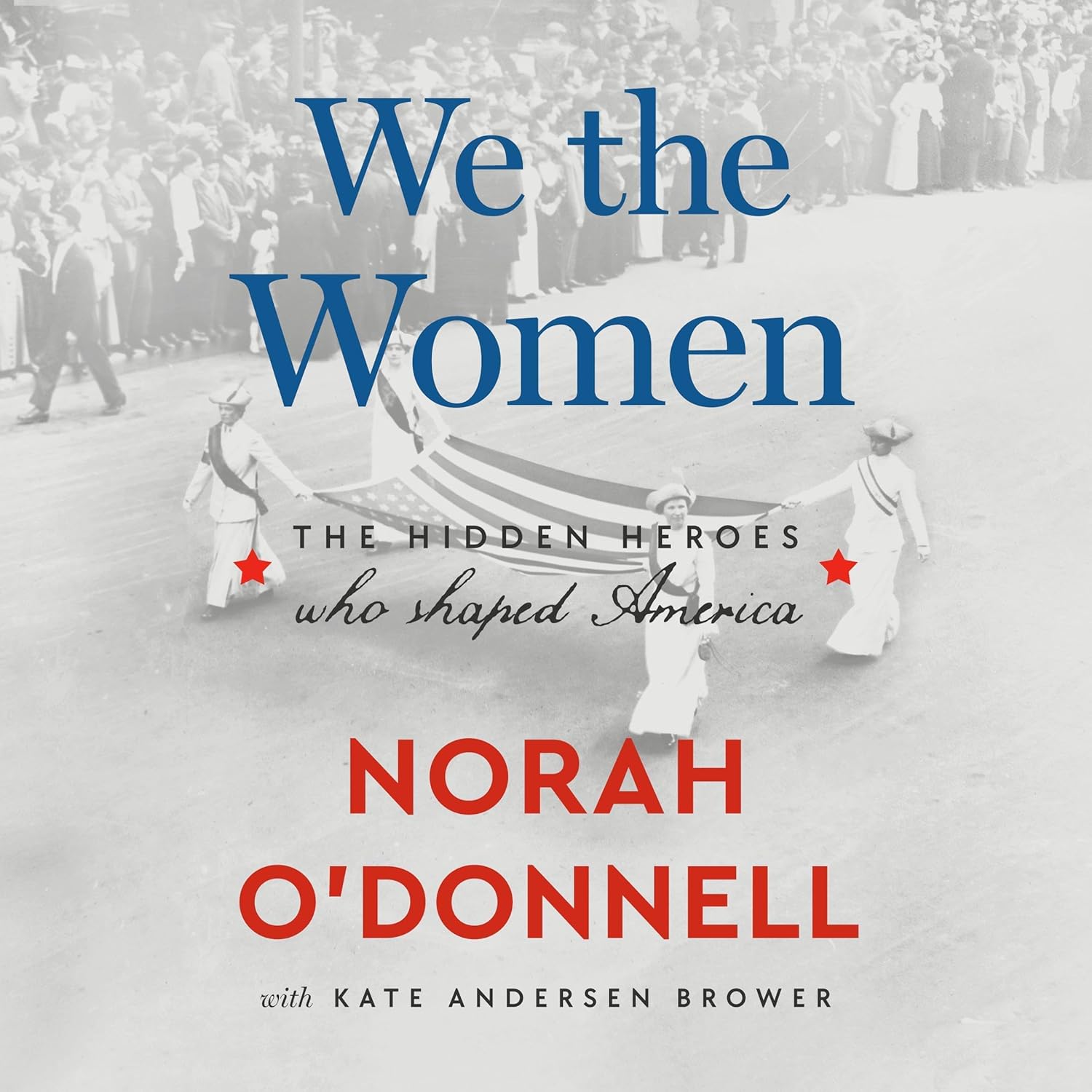
Norah O’Donnell’s ‘We the Women’ emerges as a substantial contribution to the contemporary dialogue on feminine leadership and equality, weaving historical narratives with a keen journalistic eye. The book, a collection of stories of influential women shaping America’s past and present, has garnered significant media attention, placing it squarely in the bestsellers category. This critique aims to dissect its narrative structure, thematic substance, and its position within the broader literary landscape, offering insights into why it resonates with both casual readers and scholars alike.

Literary Context & Ecosystem
Norah O’Donnell navigates a complex literary environment where global publishing trends increasingly highlight narratives of empowerment and marginalized voices. In the age of digital storytelling and transmedia experiences, ‘We the Women’ stands out by adhering to a historical nonfiction genre that appeals to a growing demographic of readers interested in sociopolitical narratives. According to Goodreads and Amazon Books data, there has been a noticeable shift towards works that explore themes of leadership and equality, making O’Donnell’s work particularly relevant. Reports from the Association of American Publishers highlight a trend towards books that prompt conversations on identity and change, aspects O’Donnell captures adeptly.
Deep Dive: Substance & Craft
‘We the Women’ is marked by its sophisticated storytelling techniques and narrative structure. O’Donnell employs an engaging prose style that balances journalistic precision with a poignant narrative tone. Her storytelling is rich with intellectual depth, using metaphorical frameworks to explore the psychology of her subjects, deeply examining the human condition. The thematic resonance of leadership and equality is poignantly woven through vivid character portrayals and historical parallels, setting a tone that is both reflective and inspiring. O’Donnell manages to balance tradition within historical narrative with a fresh perspective, ensuring the work retains both originality and authenticity.
Common Misconceptions & Critical Fallacies
Some critics may misinterpret ‘We the Women’ as merely a historical account due to its genre, overlooking the nuanced intentions of O’Donnell’s narrative. This reductionist view fails to appreciate the literary intricacy and thematic exploration of leadership as a multifaceted concept. Furthermore, in an era dominated by skim reading, the book’s rich, complex layers necessitate a more deliberate reading approach to fully grasp its subtexts and metaphors.
Expert Case Studies & Real-World Impact
Public reception of ‘We the Women’ has been largely positive, with widespread media coverage amplifying its status as a bestseller. However, academic scrutiny reveals a deeper cultural impact, challenging existing narratives on gender roles and inspiring subsequent authors to contribute to feminist discourses. Its establishment as a bestseller reflects not just commercial success but its enduring appeal as a potential modern classic, influencing cultural movements and societal perspectives.
2026 Industry Update
As of early 2026, the literary industry faces transformative shifts driven by generative AI and social reading platforms like BookTok and BookTube. ‘We the Women’ has benefitted from these platforms, reaching a broader audience through immersive audiobooks and interactive discussions. This evolution underscores the growing importance of digital rights and access to literary works. Such changes necessitate adaptations in publishing strategies, emphasizing accessibility and diverse formats.
Practical Reading Strategy
To fully appreciate ‘We the Women,’ readers are encouraged to employ ‘Deep Reading’ techniques, pausing to reflect on the thematic complexities and nuanced character studies. Building a ‘Syntopical Reading’ habit can enrich understanding by connecting this work with similar narratives in historical and feminist literature. Curating a personal library that balances diversity and depth is essential in today’s information-rich era.
Future Outlook (2–5 Years)

Looking ahead, the genre of historical nonfiction advocating for equality and leadership is poised for continued evolution, with authors increasingly collaborating with AI to enhance narrative richness. Critics will play an even greater role as ‘Trust Filters,’ aiding readers in navigating a proliferating sea of content. As more authors tap into themes of empowerment, the role of critical analysis will be crucial in distinguishing work of lasting value.
In ‘We the Women,’ Norah O’Donnell not only chronicles the tales of influential women but also ignites a critical dialogue on leadership and equality. Its place within contemporary literature is fortified by its ability to blend insightful historical narratives with engaging storytelling. As readers continue to seek out works that challenge and inspire, ‘We the Women’ stands as a beacon, urging us to reflect on the enduring legacy of female leaders and their impact on the cultural tapestry of America. The book serves as a catalyst for intellectual growth, urging readers to apply its lessons in leadership and equality to their lives, making it a cornerstone of modern literary discourse.
You can buy the book here: